


 Regenerate cartridges

References
Water Treatment for the Metalworking Industry
The highest standards of component cleanliness start with water
How Toolcraft is making water treatment a central part of its cleaning infrastructure
When it comes to technical cleanliness, attention usually focuses on the cleaning system. In fact, the foundation for reproducible cleaning results is laid by water quality. A project at toolcraft AG demonstrates just how important this connection is: tailored water treatment provides the basis for the highest standards of component cleanliness.
Your contact
Technical cleanliness starts before the cleaning process
Manufacturers of components for the semiconductor, aerospace and medical technology industries initially focus on micrometer-level precision. But as requirements for function, reliability and service life increase, another quality factor comes into focus: technical cleanliness.
Even the smallest particulate, ionic or molecular contaminants can impair the performance of sensitive components. Accordingly, industrial cleaning processes must meet demanding standards. Their quality, however, depends on more than the cleaning system itself. The process water used also plays a decisive role. Only when water quality is precisely matched to each cleaning stage can consistently reproducible results be achieved.
Against this background, Toolcraft invested in new cleaning infrastructure as part of a new production hall project. At the heart of the concept is the interaction between water treatment and the cleaning system. While the cleaning system ensures the technical cleanliness of the components, water treatment provides the required water quality for every process step.
Toolcraft at a glance
toolcraft AG, based in Georgensgmünd, is a leading provider of high-tech manufacturing and automation solutions. Founded in 1989, the company combines additive manufacturing (metal 3D printing), CNC machining, mold making, injection molding, robotics, welding and joining technology to deliver integrated solutions from a single source. With around 500 employees, toolcraft develops and produces precision components and automation systems for demanding sectors such as aerospace, medical technology, semiconductors, special-purpose machinery and automotive. High quality standards, innovative strength and state-of-the-art manufacturing technologies make toolcraft a sought-after partner for complex high-tech applications.
Quality as part of the company culture
For Toolcraft, quality is much more than the result of modern manufacturing technologies. It is part of the company culture. Especially for components used in highly sensitive applications, success depends not only on the performance of individual processes but also on how everyone involved works together. A commitment to quality therefore means considering each work step in the context of the final product.
“Everyone knows what they are doing, why they are doing it and how their work contributes to the final product. This awareness of the bigger picture is an essential factor in our quality work,” says Martin Schiller, Process Developer for Wet Chemical Cleaning at Toolcraft.
This holistic approach also formed the basis for designing the new cleaning and water treatment technology.
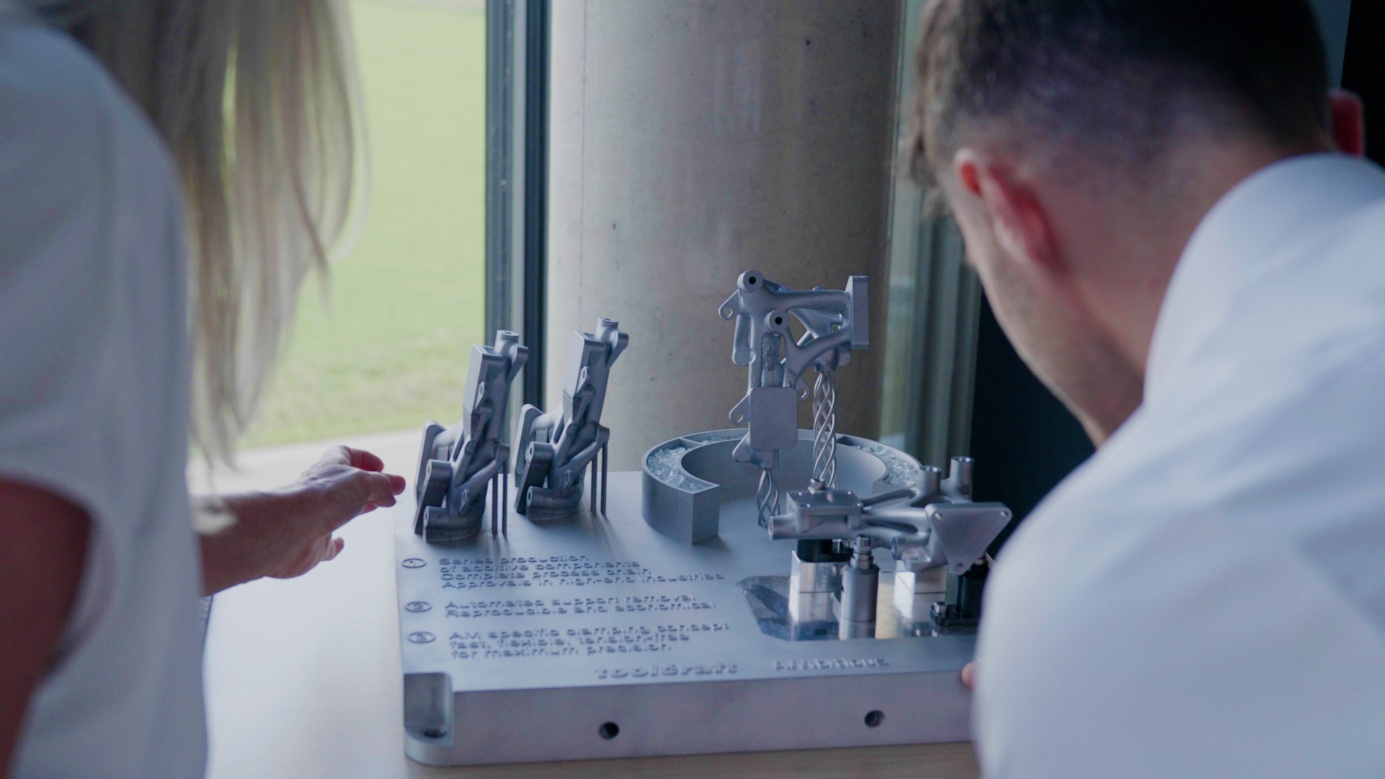
Manufacturing high-precision components for demanding sectors such as aerospace, medical technology, semiconductors and high-tech applications.
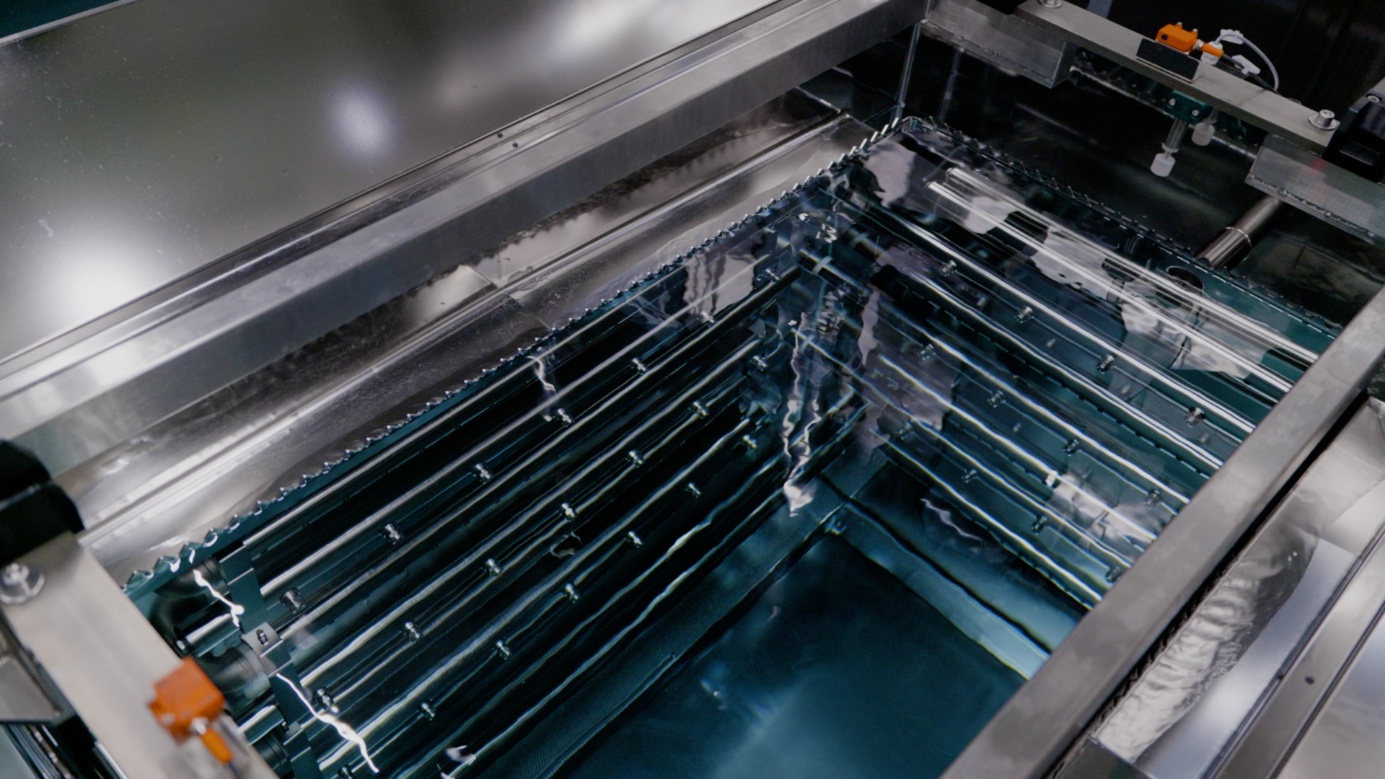
Supplying the cleaning system with different water qualities according to demand.
Water as a critical quality factor
Those responsible recognized early on that the new cleaning system could only reach its full potential if every process stage had a reliable supply of water at the required quality.
The system comprises nine cleaning tanks with different cleaning stages, each with its own water quality requirements.
While treated water may be sufficient for the initial process steps, the final rinsing stages require purified water with a conductivity of < 0.1 µS/cm. The key is to supply every process stage with the required water quality consistently and reproducibly.
Tailored water treatment for different process requirements
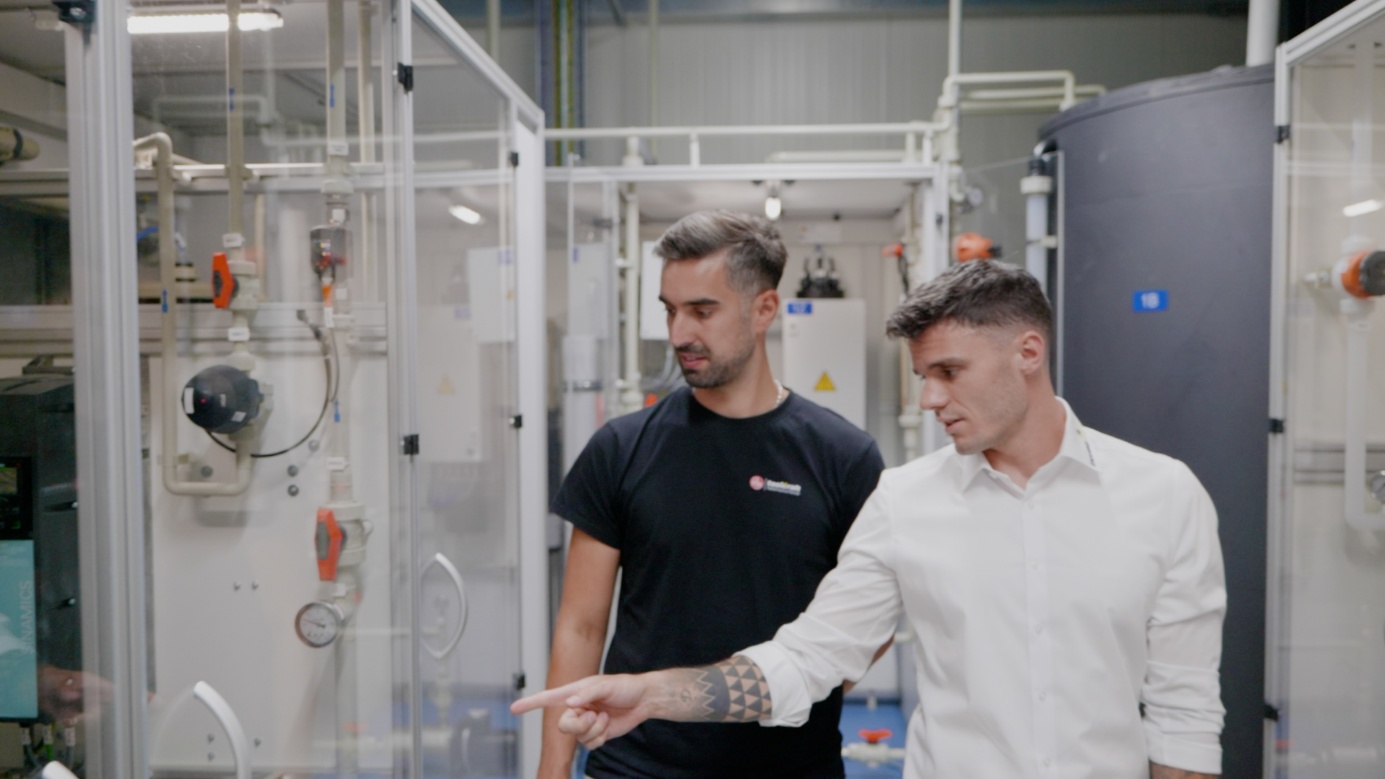
To reliably supply the cleaning system with different water qualities, EnviroFALK installed a multistage water treatment system designed to process 2 m³/h of fresh water.
The core of the system is fresh-water reverse osmosis. It achieves salt rejection of more than 99.6%, creating the basis for subsequent treatment stages. The concept also includes rinse-water reverse osmosis to recover process water and a purified-water recirculation system with a circulation volume of 1,200 l, ensuring consistently high water quality during operation.
The treated water is delivered to the individual cleaning processes as needed through a high-quality pipe network made of infrared-welded PP and WNF-welded PVDF. The piping meets the highest standards for purity, chemical resistance and long-term stability.
The system provides different water qualities and supplies each cleaning stage precisely according to its process requirements. This ensures both the required cleanliness levels and high process stability over the long term.
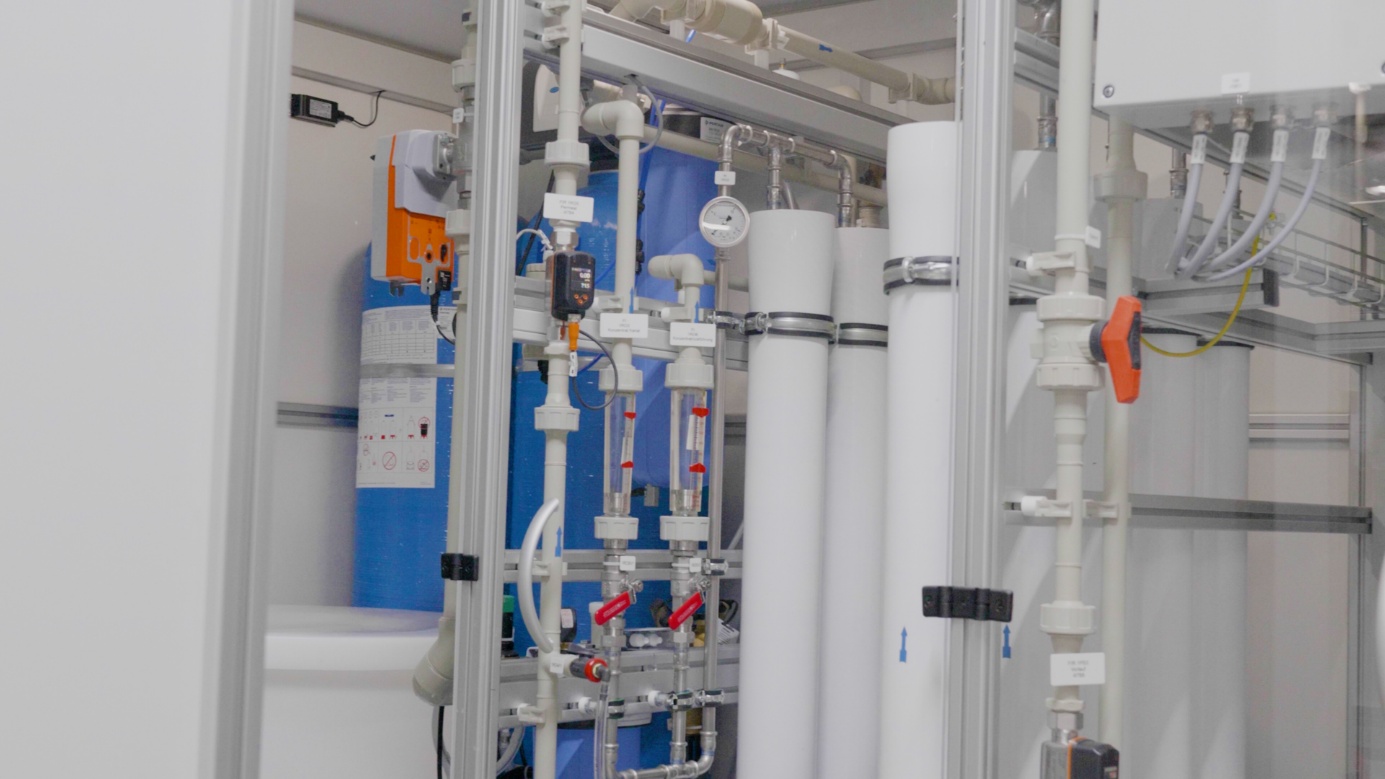
Fresh-water reverse osmosis for treating feed water.
Rinse-water reverse osmosis for recovering process water.
Water recirculation reduces resource consumption
Alongside cleaning quality and process reliability, responsible use of water resources was a focus of the project planning.
The water treatment system developed by EnviroFALK enables extensive recirculation of process water. By combining filtration and recovery, it keeps water in the process and uses it again. This creates the conditions for resource-efficient and economical operation.
Christopher Schmahl, Industry Manager for Parts Cleaning at EnviroFALK, says: “The project shows how technical cleanliness, resource efficiency and cost-effectiveness can be combined in an integrated system through the intelligent combination of water treatment and recirculation.”
Transparency through digitalization
To ensure consistently high water quality, the system was equipped with modern online measurement technology.
End-to-end IO-Link communication transmits sensor measurements, status data and diagnostic data to the system controller in real time. This provides maximum transparency across the entire process. Operators also benefit from straightforward parameterization, rapid commissioning and efficient fault diagnosis.
All relevant process data is recorded and documented automatically. This allows trends and potential deviations to be identified and assessed early. It supports stable operation, consistently high water quality and reproducible cleaning results.
“With the wealth of process data available, we can intervene much earlier. This significantly reduces fluctuations and increases process reliability,” says Martin Schiller.
Fresh-water reverse osmosis for treating feed water.
Conclusion
The toolcraft AG project shows that technical cleanliness starts well before the cleaning process itself. The decisive factor is the ability to supply every process stage with the required water quality consistently.
With its new water treatment system, the company has created future-ready infrastructure that supports the highest standards of component cleanliness while using resources efficiently. The solution makes one thing clear: in modern cleaning processes, water is far more than an operating resource. It is a central quality factor.
Technology meets teamwork
Alongside the technical solution, collaboration among everyone involved proved to be a key factor in the project’s success. Integrating water treatment, the cleaning system and building services required close coordination across numerous interfaces. Direct communication, regular exchanges and a shared understanding of the project goals enabled efficient implementation and quick decisions throughout the project.
The project demonstrates that the highest standards of component cleanliness depend on the system as a whole. Water treatment, measurement technology, cleaning technology and collaborative project work together create a coherent overall solution.
FAQ
Even the smallest contaminants can affect sensitive components. For cleaning to work reliably and consistently, the water in every process stage must have the appropriate quality.
The system comprises nine cleaning tanks with different requirements. The final rinsing stages require purified water with a conductivity below 0.1 µS/cm.
A multistage system treats fresh water, recovers rinse water and keeps purified water circulating. The water is then distributed to the individual cleaning stages according to demand.
Process water is filtered, treated and reused. Recirculation thus provides the basis for resource-efficient and economical operation.
Online measurement technology continuously records readings, status data and diagnostic data. IO-Link transmits this data to the system controller in real time, allowing deviations to be detected and assessed early.
Supplying each cleaning stage with the right water quality supports reproducible cleaning results and high process stability. It also allows toolcraft to use water more efficiently.